
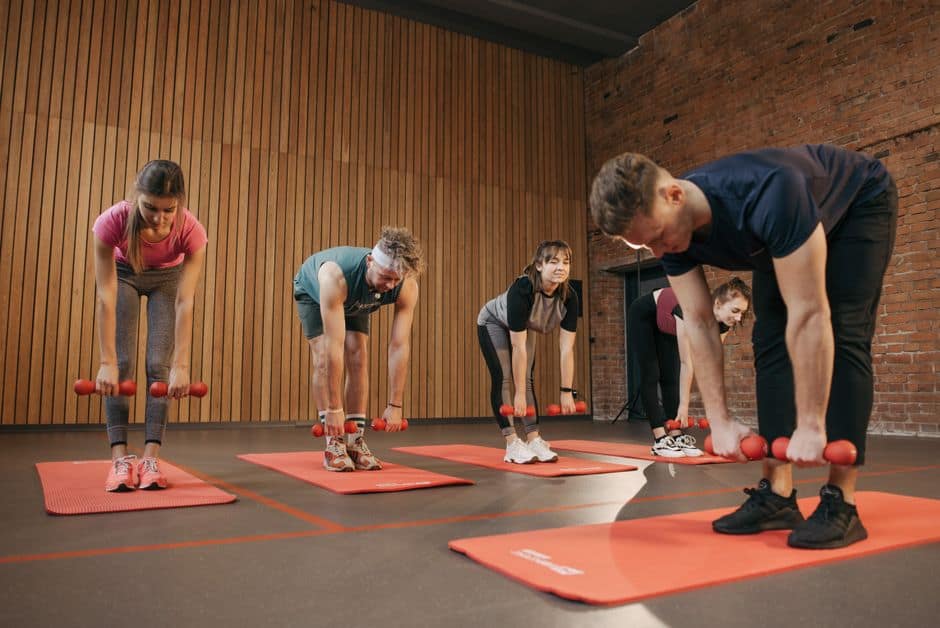
Choosing where to train with a coach is not the same decision as choosing where to work out alone. A big box gym sells access to a building, equipment, and often classes. A private personal training studio sells time with a coach, in a space designed around that session. Both can produce results, and neither is automatically right for everyone. The honest comparison comes down to what you actually need: privacy, programming, accountability, or simply a place to show up and move.
What the two options actually are
The two models look similar on a website and feel very different on the first visit. Understanding the structure helps you predict what your week will look like.
Inside a private personal training studio
A private studio is a smaller facility built around coaching rather than around general membership. Studios in this category commonly offer one-on-one and semi-private training, and many specialize in areas such as strength, weight loss, pre and postnatal training, athletic performance, senior fitness, and in-home or on-site sessions. The typical package includes a dedicated trainer, a customized plan, and access to the training space, with virtual sessions available as an alternative to in-person work.
Many private studios also function as a home base for independent trainers. Instead of hiring a large staff, the studio rents time and space to fitness professionals who run their own client books. That structure matters to you as a client, because the person coaching you may be a small business owner rather than an employee of the gym.
Inside a big box gym
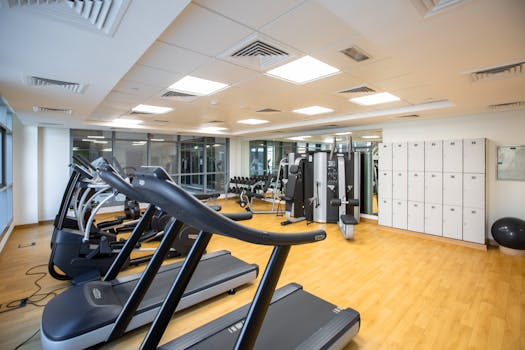
A big box gym is a membership business first. The floor is open plan, equipment is shared, and the revenue model depends on volume. Personal training is usually an add-on product, sold alongside group fitness classes, specialty programs, and sometimes Pilates or similar formats. You are one member among many, and the training experience depends heavily on which trainer you are assigned and how busy the floor happens to be at your session time.
Side-by-side: the differences that shape results
Most of the practical differences fall into a handful of categories. The table below summarizes how the two settings typically compare.
| Factor | Private personal training studio | Big box gym |
|---|---|---|
| Space | Dedicated private or semi-private training areas, often described as quiet and uncrowded | Large open training floor shared with the full membership |
| Session format | One-on-one or semi-private, sometimes with a virtual option | Personal training plus group classes and open gym access |
| Programming | Built around your abilities, goals, and injuries | Depends on the individual trainer and what the gym supports |
| Coaching relationship | Often an independent trainer who works out of the studio | Trainer may be a gym employee or an independent contractor |
| Atmosphere | Fewer people, less waiting for equipment | More energy, more noise, more competition for machines |
| Scheduling | Sessions are booked, and the time slot is reserved for you | Depends on gym hours and how busy the floor is |
Privacy and equipment access
Private studios are marketed on exactly this point. Their own descriptions emphasize focused training without crowds, no waiting, and clients working in a quieter, more personal environment rather than the pressure of a traditional gym. If you have ever cut a set short because someone was waiting for the rack, or skipped a movement entirely because the machine was taken, you already understand the value of that setup.
The tradeoff is scale. A big box gym usually has more machines, more racks, and more variety in one building than a small studio can hold. If your program depends on a wide range of specialized equipment, that breadth is a real advantage. Ask to see the floor before you commit and check whether the specific equipment your programming requires is actually available.
Programming and personalization
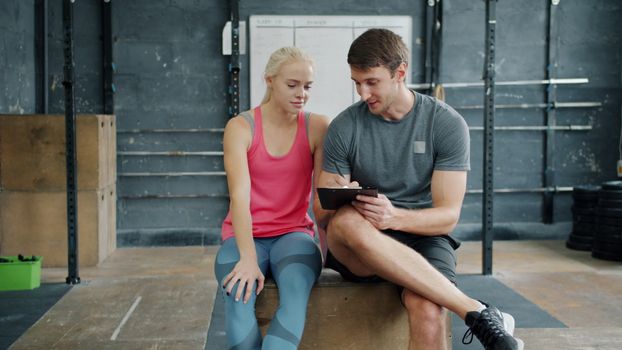
Custom programming is the core promise of coaching in either setting. A personal trainer should build a plan around your abilities, goals, injuries, and lifestyle rather than handing you a generic template. What changes between the two models is how much room the environment gives a coach to deliver that plan. In a private studio, the session is generally built around one client or a small group, which makes it easier to adjust on the fly. On a busy gym floor, adjustments sometimes compete with logistics.
Coaching model and accountability
Accountability does not come from the building. It comes from the relationship and the schedule. Private studios tend to run on booked appointments, which creates a standing commitment on your calendar. Big box gyms can work the same way if you buy a training package, but the membership itself does not create accountability. Many members pay monthly and attend sporadically, which is a business model that works for the gym and not for the member.

What you are really paying for in each model
Pricing structures differ by market, by facility, and by how sessions are packaged, so there is no single number that applies across the board. What you can compare is what each option includes. A private studio session typically bundles the coach, the space, and the programming into one rate. A big box gym separates membership from training, so you may pay for access whether or not you use it, then pay again for sessions. Ask each facility for a written breakdown of what is included, what is billed separately, and what happens if you need to pause or cancel. Rates and policies change, so confirm current terms directly with the business before you decide.
Who tends to do better in each setting
There is no universally superior option. There is a best fit for your goals, your history, and your schedule.
Beginners and people returning after a long break
Starting out in a crowded gym can be intimidating, and intimidation is one of the most reliable reasons people stop going. A private studio removes much of that friction. You are not guessing which machine to use or whether your form is safe, and you are not performing in front of an audience. For a true beginner, that environment often shortens the gap between deciding to start and actually building a habit.
Clients training around injuries or life stages
Studio specializations frequently include pre and postnatal training, senior fitness, and rehabilitation-adjacent work, along with strength and weight loss programming. If your situation requires careful modification, a setting where the coach can watch every repetition and adjust in real time is worth considering. If you have a diagnosed condition, clear your plan with your physician first, and ask any trainer about their experience with your specific situation.
Athletes and performance-focused clients
Some private facilities are explicitly built for focused training, and some are built around performance work with dedicated equipment. Others are better suited to general strength and conditioning. If you have sport-specific goals, ask what equipment and coaching background the facility can bring to that. A big box gym with a strong performance area and the right trainer can serve this need well.
People who need flexibility
Big box gyms typically offer long hours and drop-in access, which suits unpredictable schedules. Private studios run on appointments, which is better for consistency but less forgiving if your week changes constantly. Many studios now offer virtual sessions alongside in-person ones, which can bridge the gap when travel or a packed calendar gets in the way.
Questions to ask before you commit
- Who exactly will be coaching me, and will that person change?
- How is my program built, and how often is it updated based on how I am progressing?
- What is included in the rate, and what costs extra?
- What is the cancellation or rescheduling policy?
- Can I see the training space before I sign anything?
- How do you handle an injury or a change in my goals mid-program?
Where private coaching fits in Rhode Island
Marimar Prolific Performance provides private personal training, concierge coaching, and wellness coaching for clients in Newport, Pawtucket, and the greater Providence area, with online coaching available when in-person sessions are not practical. The approach is built on individualized programming and close attention rather than a membership model, which suits clients who want structure, privacy, and a coach who knows their history.
Frequently Asked Questions
Is a private personal training studio better than a big box gym?
Neither is better in every case. A private studio generally offers more privacy, a reserved time slot, and programming built around one client. A big box gym usually offers more equipment, longer access hours, and group classes. The right choice depends on how much you value privacy and coaching attention versus equipment variety and flexible drop-in access.
Do I need experience before joining a private studio?
No. Private studios frequently work with beginners, and many specifically serve people returning after a long break. The format is often easier to start in than an open gym floor, because the coach handles exercise selection, equipment setup, and form cues. Be clear about your current fitness level and any limitations during your first conversation.
Can online coaching replace in-person training?
For many people it can, especially when travel or a full schedule makes studio visits difficult. Online coaching typically delivers programming, check-ins, and accountability without hands-on cueing. If your goals involve heavy lifting technique, rehabilitation, or close supervision, in-person sessions may serve you better. Many clients use a mix of both, depending on the month.
How should I compare pricing between the two options?
Compare total cost of what you will actually use, not just the headline rate. Ask each facility what is included, whether membership and training are billed separately, and what the cancellation or pause terms are. Pricing varies by market and changes over time, so confirm current rates and policies directly with the business before committing to anything.
What should I do if I prefer group classes?
Then a big box gym or a studio that runs group formats may suit you better, and there is nothing wrong with that. Group classes offer structure, social accountability, and a lower cost per session. You can also combine both, using classes for conditioning and private sessions for technique, strength work, or injury-specific programming.