
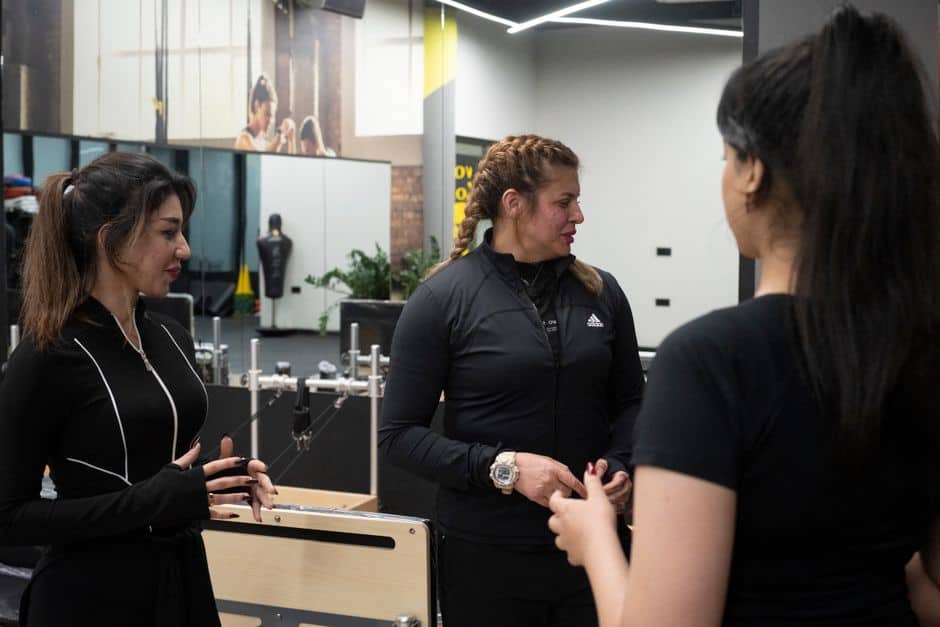
Private personal training sits at the higher end of that range. It means one client, one coach, and a plan built around a specific body, schedule, and goal. The section below explains what that actually looks like in practice, how it differs from small group training and app-based programs, and what Rhode Island clients in Newport, Pawtucket, and the greater Providence area should ask before they commit.
What Private Personal Training Actually Means
Personal trainers work in more than one format. Some take clients in a small group, and some work one-on-one. In both cases the focus stays on fitness goals, which can include muscular capacity, cardiovascular conditioning, and general physical capacity. The difference is how much of the session is shaped around you specifically.
In a private session, the entire hour belongs to one client. That changes the math of coaching. The trainer can watch every repetition, adjust load in real time, and change the plan mid-session if something hurts, feels wrong, or turns out to be easier than expected. In a group setting, that level of correction has to be shared across several people.
One-on-One Versus Semi-Private Training
Semi-private training is a middle path. Providers in larger markets describe it as private or semi-private training tailored to long-term goals, often built around progressive strength programs. It usually means two to four clients working at once, each with their own loads and progressions. It costs less per person than one-on-one work, and it suits people who stay motivated with a little company. The tradeoff is attention. If your form needs constant cueing or you are returning from an injury, one-on-one time is the more protective option.
Trainer, Coach, and the Skill of Cueing
Certification gets a trainer in the door. Cueing is what separates an average session from a great one. Good coaching cues are short, specific, and timed to the moment a rep starts to drift. Industry education on this topic focuses heavily on how to deliver cues during exercises, because a correction that arrives three seconds too late is a correction that arrives after the rep is already lost. A premium coach watches movement patterns, not just the weight on the bar.
What Premium Coaching Includes
Premium private personal training is less about luxury amenities and more about how much of the plan is built for you. Across the training industry, the custom elements that show up most often include:
-
A program built around your fitness level, goals, schedule, and lifestyle, rather than a template
-
Progressive strength programming that advances as you get stronger instead of repeating the same circuit
-
Access to equipment and, in some cases, a private facility rather than a crowded open floor
-
Nutrition support or guidance as a complement to training, offered by providers that include it in their service model
-
Coaching and support that continues between sessions, not only during them
-
Scheduling that flexes around a demanding calendar
The last two items matter more than most people expect. A program you cannot attend is not a program. Concierge-style scheduling exists because the clients who hire private coaches are often the ones with the least free time, and an appointment that survives a shifted meeting or a delayed flight is worth more than an extra machine on the floor.
What a Private Session Looks Like
Assessment and Preparation
A well-run private session starts before the first heavy set. The coach checks in on sleep, stress, soreness, and any nagging joint issues, then decides whether the day calls for the planned workload or an adjustment. That decision is one of the clearest markers of a coaching relationship rather than a workout-delivery service. Beginners get more time here, because establishing baseline movement quality comes before adding load.
The Working Block
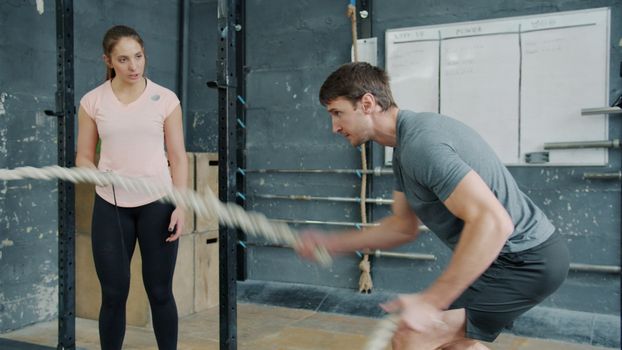
The main portion of the session is where the plan meets the body. A coach manages tempo, range of motion, breathing, and rest periods while watching for compensation patterns. Advanced clients may work toward specific performance markers, the kind of work that shows up in coaching content on topics like building VO2 max. Others spend the block on fat loss, strength, technique, or injury prevention, which are the goals trainers most commonly name when describing who they work with.
Progression and Tracking
Sessions should add up to something. Progressive strength training means the plan advances over weeks and months, with load, volume, or complexity increasing in a controlled way. A coach who tracks your numbers can tell you what changed since last month. A coach who does not track is guessing, and guessing is the thing private training is supposed to eliminate.
In-Person, Concierge, and Online Coaching Compared
Private coaching is a format, not a single location. The table below outlines how the common options differ and what to confirm before you book.
Format | Best suited to | What to confirm |
|---|---|---|
In-person one-on-one | Beginners, rehab, technique-heavy lifting, anyone who wants hands-on correction | Location, session length, cancellation policy, and whether the facility is private or shared |
Concierge or in-home | Time-poor clients who want training to fit around a packed schedule | Travel radius, equipment requirements, and scheduling windows |
Semi-private | Clients who want structure and a lower per-person cost | Group size, how individual loads are set, and how much one-on-one cueing you get |
Online coaching | Frequent travelers and clients who only need periodic hands-on sessions | How form is reviewed, how often check-ins happen, and what happens when you stall |
Many clients use a blend. A Providence-based professional might train in person twice a week and follow a written program while traveling. The format should follow the constraint, not the other way around.
Who Private Coaching Suits Best
Trainers describe their client roster in broad terms: rehabilitation, weight loss, gaining muscle, and simply improving quality of life. Private coaching fits anyone whose goal needs more precision than a general membership provides. That includes complete beginners who want to learn correct technique before a habit of poor movement sets in, adults returning after a long layoff, and experienced lifters who have plateaued and cannot identify why.
It also suits people who have tried and abandoned self-directed programs. The failure is rarely a lack of discipline. It is usually a lack of feedback, which is exactly what one-on-one attention supplies.

How to Evaluate a Private Trainer
Ask direct questions before you buy a package. The answers tell you more than a website will.
-
What certification do you hold, and what continuing education do you complete? Some clubs point to NCCA-accredited certification as the benchmark in exercise science, and that accreditation is a reasonable thing to ask about.
-
How do you assess a new client, and how often do you reassess?
-
How do you communicate between sessions, and is that included?
-
How do you handle an injury or a medical diagnosis, and when do you refer out to a physician or physical therapist?
-
What does your programming look like over three months, not just one session?
Scope of practice is worth understanding. A personal trainer is not a physician or a physical therapist, and a good one will say so plainly and coordinate with the professionals who are. If a trainer promises to diagnose or treat a medical condition, that is a signal to keep looking.
What Private Personal Training Costs
Rates vary widely by market, provider experience, format, and whether the trainer travels to you. In large metro markets, listings for one-on-one training start around $119 per session, which is a useful reference point for what premium urban coaching can look like. Rhode Island rates are not published in the sources reviewed here, so confirm current pricing directly with any provider you are considering rather than assuming a number.
When you compare quotes, compare the whole package: session length, how much programming time is included outside the session, whether nutrition guidance is part of the service, and what the cancellation terms are. A lower per-session rate with no plan attached is often the more expensive choice over a year.
Getting Started
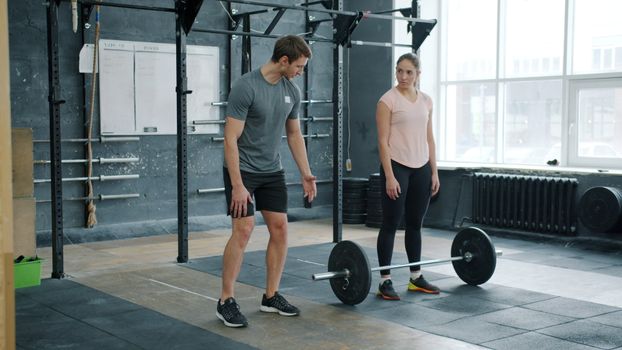
Start with a clear goal and a realistic weekly schedule, because those two facts shape everything else. Then book an introductory session with one or two coaches and pay attention to how they listen. The right private trainer will ask about your history, watch you move, and explain the reasoning behind each exercise. If you leave the first session understanding something about your own body that you did not know before, that is a good sign you have found a coach rather than a counter.
Frequently Asked Questions
Is private personal training worth it?
It depends on your goal, your timeline, and your budget. Private training removes guesswork, which is the main reason self-directed programs stall. If you have a specific target, a history of injury, or a schedule that makes consistency difficult, one-on-one coaching tends to earn its cost. If you already train consistently and only need general guidance, a less intensive format may be enough.
How much should I expect to spend on a personal trainer?
Pricing varies by market, experience, and format. One listing reviewed here shows one-on-one training starting at $119 per session in a major metro area, but rates differ by region and provider. Rhode Island pricing is not published in the sources reviewed, so ask each trainer directly about current rates, package terms, and what programming time is included.
What is the 3-3-3 rule at the gym?
There is no single agreed definition of a 3-3-3 rule in the sources reviewed here, and gym terminology varies between facilities and coaches. If a trainer or club references it, ask them to define it in the context of their own programming. Treat any specific numeric rule as provider-specific rather than a universal standard.
How long is a typical private training session?
Session length is set by the provider, and the listings reviewed here price one-on-one training per session rather than per hour. Before you book, confirm the actual session duration, how travel time is handled for concierge or in-home appointments, and whether assessment or programming time is counted separately from the session itself.
Can beginners start with private training?
Yes. Training providers describe offering personalized coaching and support for people who are new to exercising as well as experienced clients. Beginners often benefit most from one-on-one attention, because learning correct technique early is easier than correcting movement patterns later. A good coach will start with baseline assessment and build load gradually.