
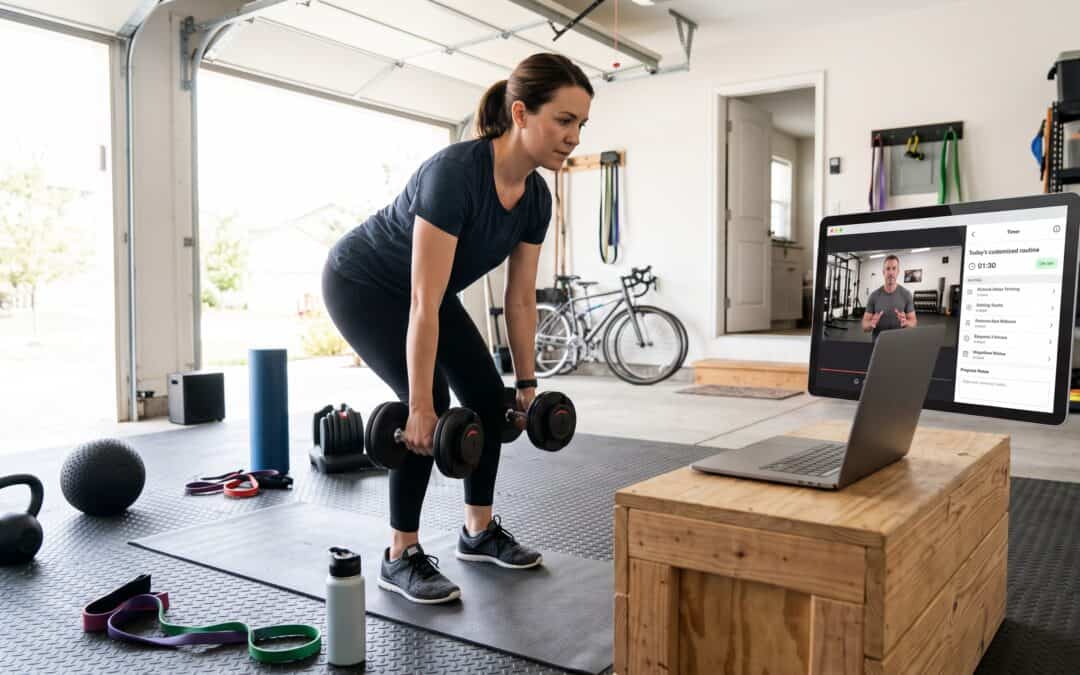
Online coaching fitness stopped being a backup option. It is now a primary way busy adults train, and the programs that hold up share a common structure: a real coach, a plan built around your life, and steady contact that keeps the plan moving. The appeal is straightforward. You get custom workout programs, support, accountability, and nutrition guidance without being tied to a shared gym or a fixed appointment time.
That structure matters more than any single app or feature. Comparison coverage of online personal training has grown alongside the category, including a Garage Gym Reviews roundup of the ten best online personal trainers tested by experts and a hand-picked list of top coaches published by Trainiac. Testing and comparison matter because the label “online personal trainer” covers a wide range, from template delivery to genuine one-on-one coaching.
What Online Coaching Fitness Actually Includes
Programs vary, but the categories of service are fairly consistent across established providers.
- Custom workout programs built around your goals, schedule, and available equipment.
- Worldwide support and accountability, delivered remotely rather than inside one facility.
- Nutritional coaching, which some providers bundle with training and others deliver separately.
- One-on-one attention, including coaching focused on building muscle and losing fat.
- Health coaching that reaches beyond the workout, covering areas such as nutrition and sleep.
Insurance is another variable worth checking. Some providers position personal training and nutrition coaching as covered by insurance, with dietitian trainers guiding clients through highly personalized exercise and nutrition plans. Coverage depends on your plan and on your provider’s arrangements, so confirm the details directly with both the coaching company and your insurer before assuming anything about reimbursement.
The Four Building Blocks of a Remote Program
Most credible remote coaching services are assembled from the same four parts. The differences between a good program and a weak one usually show up in how carefully each part is handled rather than in whether it exists at all.
Coach Matching and Intake
Program quality is often decided before the first workout. Nerd Fitness, for example, describes starting by matching a client with a coach who gets to know them, their goals, and what tends to get in the way. That intake step does real work. It is where a coach learns your history, your schedule, your equipment, and the obstacles that have derailed previous attempts.
Custom Programming
From there comes the plan itself. Future builds custom workout plans for weight loss and strength training, and Caliber pairs clients with an online personal trainer for muscle building and fat loss. The common thread is that the program is written for one person rather than selected from a catalog. That is the difference between coaching and content.
Accountability and Check-Ins
Accountability keeps a good plan from becoming an unused document. Nerd Fitness frames continued support and guidance as a core part of the service, describing the experience as having your own personal fitness Yoda in your pocket, with a stated emphasis on convenience. The metaphor is playful, but the function is serious. Someone notices whether you did the work, and adjusts the plan when you do not.
Nutrition and Lifestyle Support
Training alone rarely covers the full picture. Nutritional coaching appears across provider descriptions, and Future has expanded into health coaching that addresses nutrition, sleep, and more. Some programs lean on dietitian trainers for that side of the work, which matters if you have a medical condition or a complicated history with food.

How Remote Coaching Is Delivered
Delivery usually happens across a few channels at once. Programming arrives through an app or a shared document. Communication runs through messaging and scheduled check-ins. Live sessions, including one-on-one Zoom workouts, appear in some coaching models and in job postings for online fitness coaches, which shows how normalized video training has become on the professional side as well as the client side.
That mix is why remote coaching can feel more present than a weekly gym appointment. A single in-person session covers maybe an hour of a seven day week. A remote coach can stay in contact between sessions, and that is where habits are actually built.
Where Online and In-Person Coaching Meet
The two formats are not rivals. Trainers who work both in person and virtually are common enough that clients recommend them to each other in forums such as r/personaltraining, where screening and vetting are part of the sales pitch. A hybrid setup suits people who want hands-on instruction for certain movements and remote support for everything else.
In Rhode Island, that hybrid option exists locally. Marimar Prolific Performance offers private personal training that includes in-person, concierge, and online coaching, with services relevant to clients in Newport, Pawtucket, and the greater Providence area. Someone who travels for work, keeps an unpredictable calendar, or splits time between home and an office can keep one coach across both formats instead of restarting with someone new.

What to Check Before You Commit
A handful of questions separates a real coaching relationship from a subscription.
- Who is the coach, and how are coaches screened or vetted?
- Do you get one-on-one attention, or is the program shared with a group?
- How often does your coach check in, and through what channel?
- Is nutrition coaching included, and who delivers it?
- What equipment do you need, and how does the plan adapt when you travel?
- Does the provider work with insurance, and does your plan apply?
- What is the pricing structure, and what does each tier include?
Pricing deserves its own note. Public price information for online coaching varies widely by provider, format, and level of personalization, and many companies do not publish rates at all. Ask for the full cost picture in writing, including anything billed separately, then compare it against what you would spend on gym access and standalone nutrition guidance.
Coaches are being pushed to sharpen the same questions from the other side of the transaction. A 2026 guide on starting online fitness coaching shares a free interactive toolkit covering the offer, pricing, direct message, and sales frameworks behind more than four million dollars in online coaching sales. Sales systems and client results are separate things, and the second one is what you are paying for.

What Makes a Remote Program Work Long Term
Consistency comes from fit, not intensity. A plan that assumes six gym days a week will fail for someone who travels. A plan built around three realistic sessions, plus a clear fallback for busy weeks, survives contact with a real calendar. This is why intake, coach matching, and ongoing check-ins carry so much weight in the programs that retain clients year after year.
Expect to be asked questions early, and expect the plan to change. The providers that describe their process in public all point to the same loop: learn the person, build the plan, support the execution, adjust as reality intervenes. Remote delivery changes the logistics of coaching. It does not change the fundamentals.
Frequently Asked Questions
How much does an online fitness coach cost?
Pricing varies widely, and many providers do not publish rates, so there is no single figure to quote. Cost usually reflects the level of personalization, how often your coach checks in, whether nutrition coaching is included, and whether you receive one-on-one attention or join a group program. Ask each provider for a written breakdown before you commit.
Is online fitness coaching worth it?
It depends on what you need. If you already train consistently and only want a plan, a template may be enough. If you want custom programming, accountability, and a coach who adjusts the plan when life gets in the way, remote coaching can deliver that without a commute. Compare the total cost against the results you expect.
How do I choose the best online fitness coach?
Start with screening and fit. Trainers who work both in person and virtually are commonly recommended, and provider descriptions emphasize matching clients with a coach who understands their goals and obstacles. Ask how coaches are vetted, whether you get one-on-one attention, how check-ins work, and what happens if the relationship is not a good match.
Can online coaching replace in-person training?
For many goals, yes. Custom programming, accountability, nutrition guidance, and live video sessions can cover the training relationship remotely. In-person coaching still has advantages for hands-on technique work and for people who want a scheduled appointment away from home. A hybrid approach that uses both formats is a practical middle ground for most schedules.
Does online coaching include nutrition support?
Often, but not always. Some providers bundle nutritional coaching with training, and some offer health coaching that covers nutrition, sleep, and related habits. Others separate the two services, sometimes with dietitian trainers handling the nutrition side. Ask specifically who delivers nutrition guidance and whether it is included in your plan’s cost before you sign up.