


Two people can book the same number of training sessions each week and still get very different results, because the format decides how much of the hour is actually spent training. Concierge personal training brings the trainer to a location you choose, often your home or your office. Meeting a trainer means you travel to their studio or gym. Both work. The question is which one survives contact with your real calendar.
This comparison looks at how each format spends your time, where each one wins, and how to match the choice to your week.
What Concierge Personal Training Actually Means
Concierge personal training is a service model where the trainer travels to the client. Published provider listings describe it as training that happens in your home, at your workplace, or another agreed location, rather than at a fixed studio. Some companies in this category specialize further. One in-home provider positions itself around senior fitness and describes its work as bridging the gap between physical therapy and personal training to help clients build strength, reduce joint pain, and stay independent. Others sell concierge sessions alongside online coaching.
The model is established in several markets. Providers list in-home and hyper-personal training in areas such as Greater San Diego, Greater Philadelphia, Pittsburgh, and Chicago. Pricing structures vary, and at least one provider publishes bundled packages that start at $340 for four sessions with a 15 percent discount, with deeper discounts at eight and twelve sessions. Treat any published rate as a starting point only and confirm current pricing directly with the provider you are considering.
How Each Format Spends Your Time
The commute math
A studio session includes travel in both directions plus the buffer you build in for traffic, parking, and finding the room. A concierge session removes that block entirely. If your commute is fifteen minutes each way, a one-hour session becomes roughly ninety minutes of your day. That difference compounds across three sessions a week, which is where the scheduling decision usually gets made.
Setup and teardown
At home, setup means clearing a space, and teardown is often nothing more than putting equipment back in a closet. At a studio, setup is handled for you and equipment is already there. The trade is simple: you spend time traveling to gain a fully equipped room, or you skip the travel and work with what your space allows.
The cost of a cancelled slot
Sessions get cancelled for ordinary reasons, a meeting that runs long, a sick child, a last-minute work call. When the trainer is already coming to you, those disruptions are easier to absorb because nothing was scheduled around a commute. When you have to leave the house, a cancelled session costs you more than the session itself.

Where At-Home Concierge Training Wins
No travel time before or after the session, which makes early mornings and tight evenings realistic.
No weather variable, which matters in Rhode Island winters.
Complete privacy, useful for beginners who would rather not train in front of a gym floor.
Immediate relevance. Exercises can be built around your stairs, your doorway, your floor, and the equipment you actually own.
Household logistics are simpler. You can train while someone else is home with children or while a delivery arrives.
Habit stacking is easier when the session starts where your other routines already happen.
Where Meeting a Trainer Wins
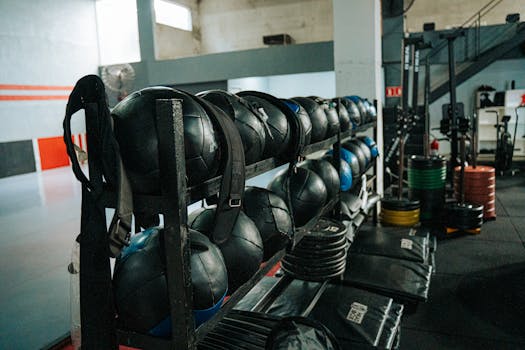
Access to full equipment, including heavier loads and machines that are impractical to own.
A clean separation between training and home life, which some clients need in order to focus.
A dedicated environment with no interruptions from family, pets, or doorbells.
Built-in structure. Leaving the house creates a commitment that is harder to talk yourself out of.
Social context, if being around other people who are training keeps you motivated.
A Side-by-Side Comparison
Factor | Concierge at home | Meeting a trainer |
|---|---|---|
Travel time | None beyond moving to your training space | Round trip plus buffer for parking and traffic |
Equipment | Limited to what you own or what the trainer brings | Full studio or gym equipment |
Privacy | High | Depends on the facility |
Distractions | Household interruptions possible | Fewer interruptions, more ambient activity |
Weather sensitivity | Minimal | High in winter and during storms |
Best for | Packed calendars, beginners, older adults, post-rehab transitions | Heavy strength work, structured routines, gym-oriented goals |
Pricing structure | Often sold in bundles, sometimes with per-visit travel built in | Typically per session or per package at the facility |
Matching the Format to Your Week
Early mornings
Concierge training handles early mornings better for most people. A session that starts at home can begin the moment you are dressed and your space is clear. A studio session at the same hour requires waking earlier to account for travel, which is the point where most early morning routines quietly fall apart. Some concierge providers publish operating windows that run from early morning into the evening, though at-home availability depends on how far the trainer has to travel between clients.
Midday gaps
If you work from home or have a flexible schedule, a midday concierge session can fit inside a lunch break with time to spare. Meeting a trainer at midday usually requires a longer block because of the round trip, and it often collides with the busiest part of the day for scheduling.
Evenings
Evenings favor whichever format removes the most friction. After a full workday, a session that starts in your living room competes only with dinner. A session across town competes with traffic, parking, and the version of yourself that would rather stay on the couch.
Travel-heavy weeks
Concierge training is more forgiving during weeks with unpredictable travel, because rescheduling does not involve a commute on either side. Online coaching is the natural companion here. Several concierge providers sell in-home and online training together, which lets you keep momentum in a hotel room or at a client site.
What to Ask Before You Commit
How much of the session time is training versus setup and transition?
Does the rate change based on distance from the trainer's base?
What equipment does the trainer bring, and what do you need to provide?
What is the cancellation policy, and how much notice is required?
Is there a minimum number of sessions per week or per month?
Can the format change later, for example from in-home to online during a busy stretch?
How is progress measured if you are training at home without machines?
Get those answers in writing before the first session. The specifics matter more than the marketing language, and a provider who answers clearly is usually a provider who plans clearly.

Concierge Personal Training in Rhode Island
Marimar Prolific Performance provides private personal training, concierge sessions, and online coaching for clients in Newport, Pawtucket, and the greater Providence area, along with wellness coaching and healthy habit building. The same practice also offers business consulting and private client advisory, which is useful context if you are one of those clients who measures time in meetings rather than miles.
A practical starting point is to map one normal week before choosing. Mark the hours that are genuinely available, subtract travel time for each option, and see which format leaves a block that is long enough to train and short enough to protect. The format that fits your calendar is the one you will still be using three months from now.
Frequently Asked Questions
Is concierge personal training more expensive than meeting a trainer?
Not automatically. Concierge sessions often include the trainer's travel, so some providers price them higher per session, while others bundle sessions with volume discounts. One published example starts at $340 for four concierge sessions with a 15 percent discount, increasing to 20 percent at eight sessions and 25 percent at twelve. Compare total weekly cost, including your own travel, before deciding.
Can I do concierge training if I do not own equipment?
Yes, in most cases. Trainers who work in homes typically bring small portable equipment such as bands, mats, and light weights, and they build sessions around bodyweight movements and whatever space you have. Ask in advance exactly what the trainer brings so you know what you are responsible for providing. Heavier strength work may still require a studio.
How much space do I need for at-home training?
Less than most people expect. A clear area roughly the size of a large yoga mat, with enough room to lie down and step side to side, covers most programming. Ceiling height matters for overhead movements, and a non-slip floor helps. Before your first session, clear furniture, secure loose rugs, and remove trip hazards from the area.
Can I switch between at-home and in-studio sessions?
Many providers allow it, and several concierge companies sell in-home and online coaching side by side. Ask about switching before you sign anything, and ask whether the per-session rate changes when the location does. A flexible arrangement is especially useful during travel weeks, bad weather, or periods when your home space is unavailable.
Does concierge personal training work for beginners?
It is often the better choice for beginners. Training at home removes the gym-floor self-consciousness that stops many people from starting, and the trainer can teach foundational movement in a private setting. One in-home provider even focuses on bridging the gap between physical therapy and personal training, which suits clients rebuilding strength after injury or a long break.